
Complete Communities Housing Solutions (CCHS)
A Developer’s Strategic Overview

Program Benefits
What Developers Gain Under Complete Communities Housing Solutions.
When program requirements are met, Complete Communities Housing Solutions offers a series of development incentives
that can significantly improve project feasibility, entitlement certainty, and overall investment performance.
FAR-Based Zoning (Not Unit Caps)
FAR-Based Zoning
Increase Buildable Area
Through Tiered FAR
CCHS replaces traditional dwelling-unit limits with tiered Floor Area Ratio (FAR) allowances tied to location and transit access. This shifts yield generation from unit counts to building form and efficiency—allowing projects to maximize rentable or sellable area within a defined envelope, subject to site constraints and overlays.

Ministerial & Expedited Approval Pathway
Expedited Approvals
Streamlined Review. Reduced Hearings.
Qualifying CCHS projects may be eligible for ministerial (objective) review and expedited processing, reducing discretionary risk and limiting public hearings. While review timelines vary based on project scope and permitting complexity, this pathway can materially de-risk entitlements when eligibility is confirmed and submittals are properly structured.

Fee Scaling
Fee Scaling
Development Impact Fee (DIF) Scaling and Cost Reduction Under CCHS
CCHS provides scaled Development Impact Fees for qualifying projects, including exemptions or reductions for affordable units, smaller unit types, and certain family-oriented units. When paired with increased FAR, DIF scaling can materially improve cost efficiency on a per-square-foot basis.

Affordable Housing Credit
Affordable Housing Credit
Design Flexibility Through Program-Based Modifications
Under CCHS, height and density are governed primarily by FAR and construction type, rather than base zoning alone. However, additional constraints—such as coastal overlays, airport influence areas, and building code limitations—still apply and must be evaluated on a site-specific basis.
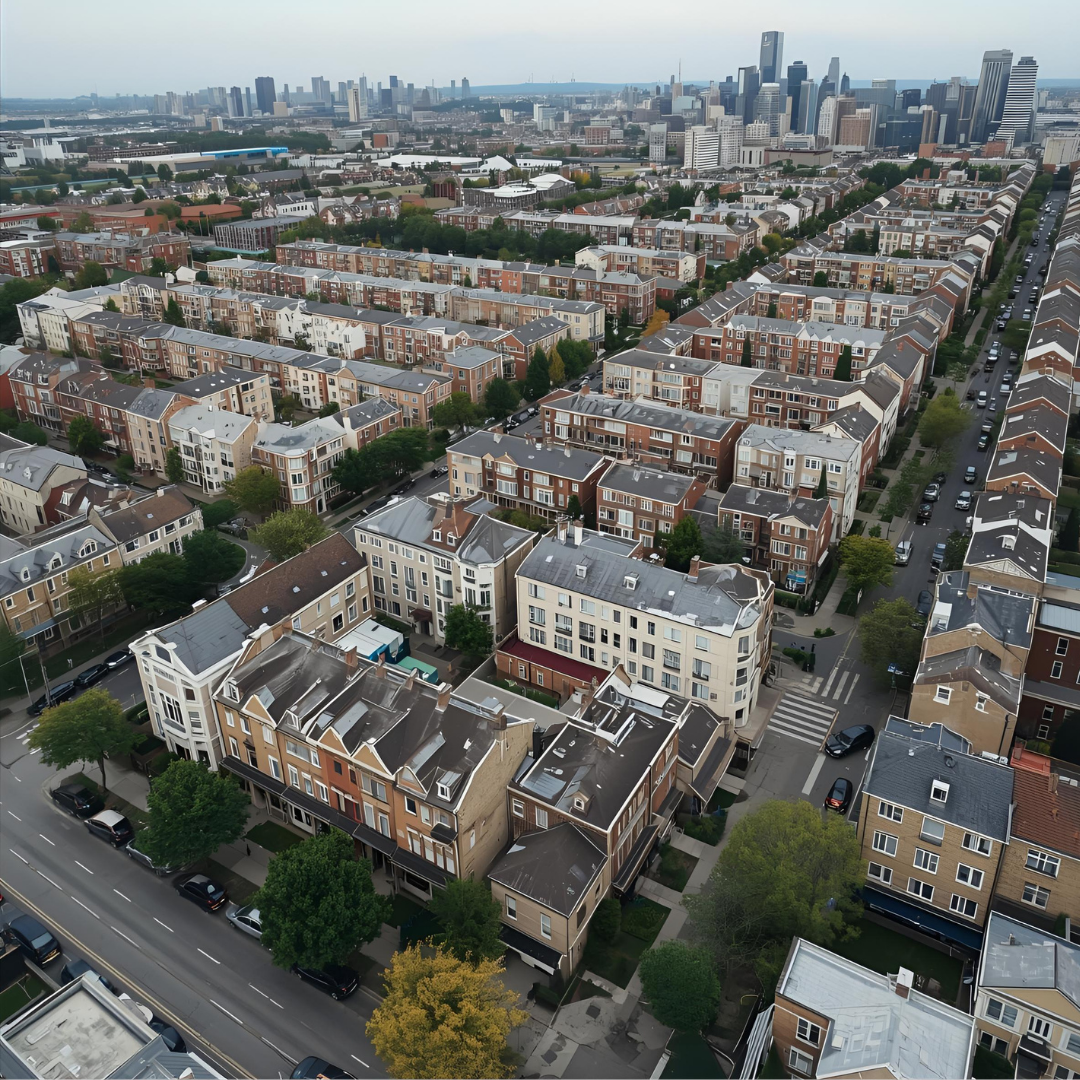
Incentives and Waivers
Regulatory Flexibility Through Program Compliance
Regulatory Flexibility Through Program Compliance
Projects that meet Complete Communities Housing Solutions criteria may qualify for waivers or modifications to select base-zone and overlay requirements, including density limits and certain dimensional standards. Eligibility depends on program compliance and site conditions and must be confirmed through review.
San Diego’s housing shortage remains significant
San Diego is still short roughly 150,000–220,000 homes
The San Diego Housing Commission has estimated the City of San Diego’s housing need at approximately 150,000–220,000 additional homes by 2028 across income levels.
Complete Communities Housing Solutions (CCHS) is one of the City’s primary infill housing incentive programs—using FAR-based tiers near transit and objective approval standards to support additional housing capacity, paired with on-site affordability requirements and long-term compliance obligations.
Actual eligibility, FAR, affordability mix, and approval pathway depend on site conditions and must be confirmed through feasibility and entitlement analysis.
San Diego’s Housing Gap
Estimated additional homes needed by 2028 (across income levels). SDHC
On-Site Affordability (CCHS)
40% of the project’s base (pre–density bonus) units must be set aside as on-site affordable housing—broken down as 15% Very Low Income, 10% Low Income, and 15% Moderate Income—and recorded with 55-year deed restrictions.
Complete Communities
Housing Solutions (CCHS) FAQs
Wondering how Complete Communities actually works? Here you’ll find straightforward answers about FAR bonuses, design standards, and the approvals that can speed up your housing project.
Complete Communities Housing Solutions (CCHS) is the City of San Diego’s primary infill housing incentive program. It allows increased development capacity through FAR-based zoning in transit-rich areas, paired with objective approval standards and on-site affordability requirements, to support new multifamily and mixed-use housing.
CCHS replaces traditional dwelling-unit caps with tiered Floor Area Ratio (FAR) allowances. Density is governed by allowable building area rather than a fixed unit count. Final unit yield is still constrained by FAR, building form, construction type, and applicable overlay zones and must be evaluated on a site-specific basis.
Qualifying CCHS projects may be eligible for ministerial (objective) review, which reduces discretionary risk and limits public hearings. Eligible projects may also qualify for expedited processing. Review timelines vary based on project scope, permitting requirements, and application completeness.
No. CCHS does not impose a fixed dwelling-unit cap. Buildable yield is governed by tiered Floor Area Ratio (FAR), building form, and construction type rather than a maximum unit count, subject to overlay zones and site-specific constraints.
If you meet the objective standards and stay within the program’s limits, review is ministerial (no hearing). Timing depends on correction cycles and workload.
CCHS requires 40% of base (pre–density bonus) units to be provided as on-site affordable housing. These units are typically allocated as 15% Very Low Income, 10% Low Income, and 15% Moderate Income, and are subject to 55-year deed restrictions. Final affordability structure and compliance obligations must be confirmed during feasibility and entitlement analysis.
In some cases, CCHS may be layered with other state or local housing incentives, including the State Density Bonus. However, stacking programs introduces additional regulatory, design, and compliance considerations. Program compatibility must be evaluated carefully on a site-specific basis during feasibility review.
While CCHS provides increased FAR and entitlement flexibility, overlay zones—such as Coastal Overlay Zones, Airport Influence Areas, and other special districts—can impose additional constraints on height, massing, and approvals. Overlay impacts should be evaluated early, as they can materially affect project feasibility and entitlement strategy.
Feasibility and entitlement analysis should begin prior to site acquisition or major design investment. Early evaluation confirms CCHS eligibility, FAR limits, affordability obligations, overlay constraints, and approval pathways—allowing developers to assess risk and determine whether CCHS is the appropriate strategy for a given site.