We build communities for people who stay. That is the single most reliable way to protect your yield. You can fight for short-term rent bumps. Or you can design for resident loyalty and cut turnover in half.
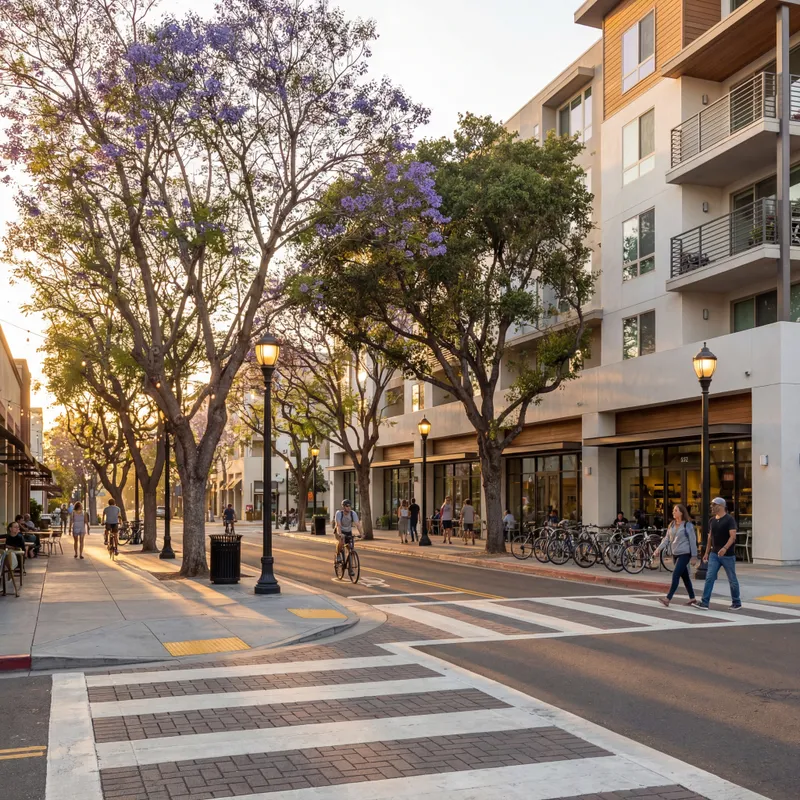
We have seen this play out across San Diego infill. North Park. Normal Heights. City Heights. The projects that feel good to live in get leased first. They hold rates in challenging economies. They ride the upside in tight ones.
Buildings built for residents pull value forward. They turn desire into duration. Duration lowers friction in operations, and friction is where most small profits die. Better resident experience is not a line item. It is the business model.
You already know this in your gut. You feel it when you walk a project with strong bones. Clear entries. Smart unit plans. Places to sit that get morning light. You also feel the opposite—when the mail room is an afterthought, when the trash route affects the ground floor, when the hallways make you want to walk faster.
People choose to come home to one of those buildings. They choose to leave the other.
Great resident experience is a loop. People tour, then they sign, then they stay, then they refer. The loop speeds up when your building makes daily living easier. The loop slows when daily living fights people.
You do not need luxury to make this work. You need thoughtful basics that residents touch every day. Entries. Kitchens. Light. Sound. Storage. Movement through the building.
Trust is built or eroded through the details residents encounter every day. When the basics are tight, the nice-to-haves actually feel nice. When the basics are loose, the nice-to-haves read as makeup.
The quickest way to build for residents is to make rooms work in more than one life stage. We create unit plans that shift without cost. A den with a real window, and real light & air. Expandable indoor-outdoor space. Adaptable unit layouts. A bedroom with a wall that can accept a Murphy bed.
You are not promising a lifestyle. You are giving people options. A resident can start as a single renter, then shift to a couple, then shift to a work-from-home setup, and never feel squeezed.
| Design Move | Why It Matters | Outcome |
|---|---|---|
| Clear walls for furniture | Residents can arrange without fighting the room | Longer stays, fewer complaints |
| Room proportions 12×12 | Accepts sofa + dining table; 10×14 does not | Perceived space vs. actual sqft |
| Tall closets | Vertical storage removes clutter | Units photograph better |
| Real pantry (even small) | Kitchen counter stays clear | Cooking feels easier |
| Bike hooks in right place | No bikes blocking halls | Fewer neighbor conflicts |
Noise, light, and air. These are the invisible drivers of whether someone feels at home or feels like they are camping in a box.
You do not need luxury finishes to make residents feel at home. These are design decisions an architect makes early—moves that cost little but shift the daily experience significantly. Clarity through design starts here.
| Design Decision | Architectural Outcome |
|---|---|
| Real work zone in units | A zone with a view line and accessible power—not a tiny desk in a dark corner. Supports livability for remote workers and students. |
| Acoustic treatment in corridors | Looks warm. Cuts noise. Creates dignified density where neighbors are not constantly reminded of one another. |
| Dog wash near garage | Reduces wear and tear on unit bathrooms since pet owners use it instead. Designing for maintenance efficiency from day one. |
| Package room on natural path | A well-organized amenity package and intuitive building layout signal quality to prospective tenants, supporting faster lease-up. |
| Separated trash and service routes | Residents never cross a service path. Maintenance staff move freely without disrupting daily life. Passive safety & security design in action. |
| Clear sightlines at entries | Visible front desk from the lobby door. Natural surveillance from common areas. Community empowerment through spaces that feel safe without looking secured. |
When the daily experience is designed well, the compounding effects show up across every operating metric.
If you’re looking for a feasibility study that considers both livability and buildable yield, start by sharing the APN, available utility information, and your high-level project goals. We evaluate site conditions, frontage, zoning and incentive pathways, applicable housing legislation, and market context to inform a realistic development strategy. The result is a clear, code-aligned path toward a streamlined submittal and a resident-focused design framework that can be delivered without unnecessary surprises during entitlement or permitting.